
OdeCare
×
MH Medic Home

What Happens Between
Caregiver Visits?

Passive home sensors that detect falls, track activity, and alert your team in real time. No cameras. No wearables. No patient burden.

Discovery Presentation · April 2026

The Problem

Your Caregivers Can't Be There 24/7.
But Falls Don't Wait.

Home care visits cover a few hours per week. The rest of the time, patients are alone. Falls go undetected. Routine changes go unnoticed.

Caregiver Visit

2-3 hrs

The Blind Spot

~160 hrs/week with no visibility

Next Visit

2-3 hrs

The Solution

OdeCare in 60 Seconds

Small sensors in the patient's home. They watch for falls, track daily activity, and monitor room conditions — then alert your team.
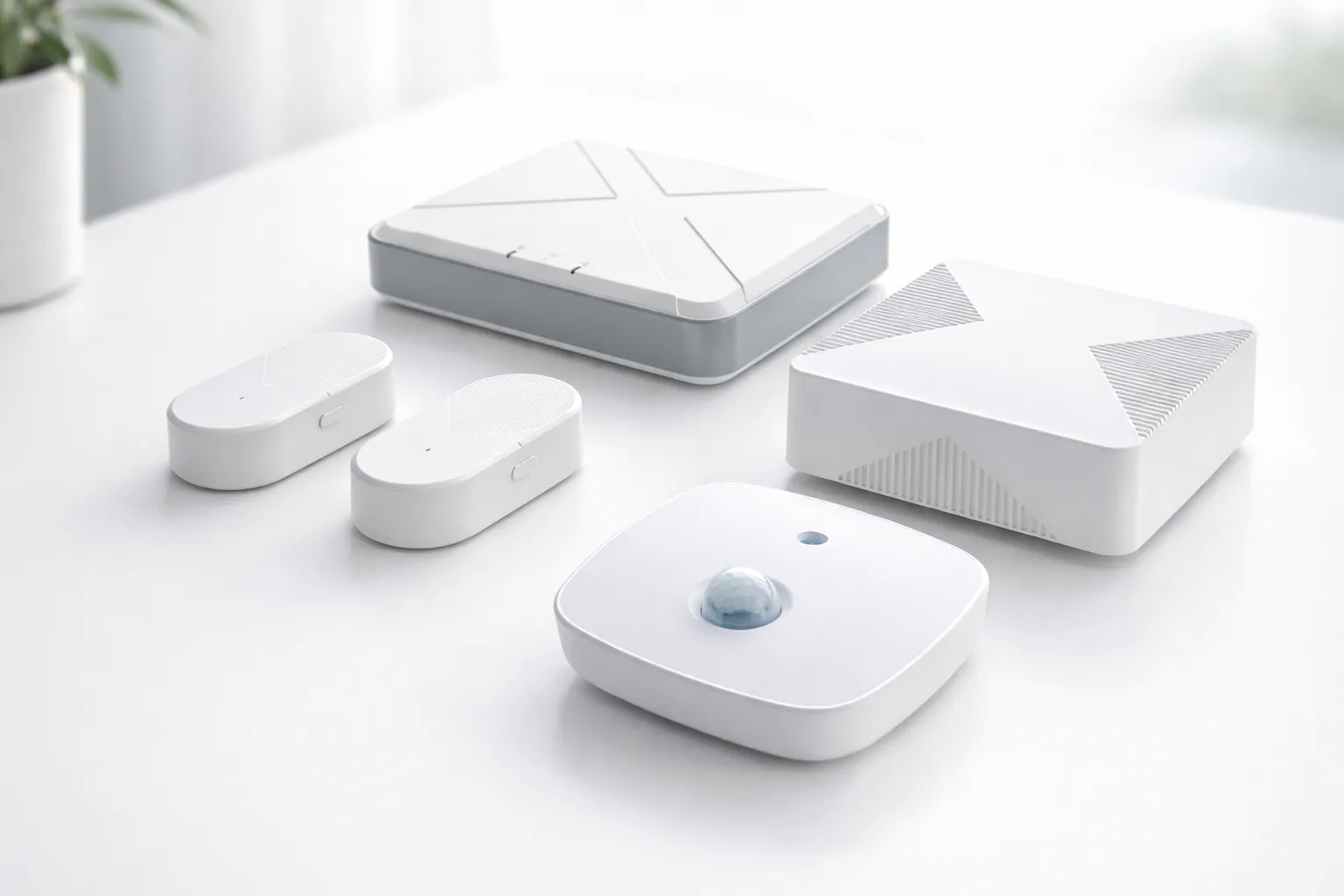
OdeCare sensor kit — radar, motion sensor, environment sensor, central hub

Sensors Detect

Radar detects falls. Motion sensors learn routines. Environment sensors track room conditions.

Platform Analyzes

Events processed in real time. Rules trigger alerts. Patterns tracked to spot early decline.

Team Responds

Coordinators get instant alerts on dashboard and mobile. Families via the family app.

Nothing for the patient to do. No buttons, nothing to wear, nothing to charge.
Detection Scenarios

What the System Catches

Fall Detection

Radar detects a fall and alerts within seconds, even if the patient can't call for help.

Night Bed Exit

Patient gets out of bed and doesn't return? On-call nurse notified automatically.

Prolonged Inactivity

No movement for too long in any room, including bathroom? Staff gets an alert to check in.

Routine Changes

Learns daily rhythm. If activity drops, flags it early.

Room Conditions

Temperature or humidity out of range? Team alerted before it affects the patient.

Door Activity

Front door opens at unusual hour? Team notified immediately.

Why Passive

Pendants vs. Passive Radar

Pendants require pressing a button. In 80% of falls, patients can't or won't press it. Radar works automatically.
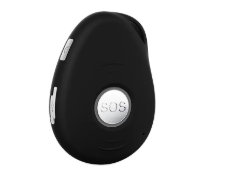
SOS pendant

Pendant

vs
OdeCare sensor kit

OdeCare

Pendant / Wearable OdeCare Radar
Patient actionMust press button ManualNone Passive
Works if unconsciousNoYes
ComplianceLow — removed, forgotten100% — nothing to wear
PrivacyAcceptableNo cameras, no audio
Activity trackingNone24/7 patterns + anomaly detection
Room conditionsNoTemperature, humidity, light
Night monitoringOnly if worn to bedAlways on — bed exit, absence
Data for your teamButton event log onlyFull timeline + trends
Hardware

What Gets Installed

Four small devices per home. Wireless, 30-min install. Your caregivers can set them up during a regular visit.
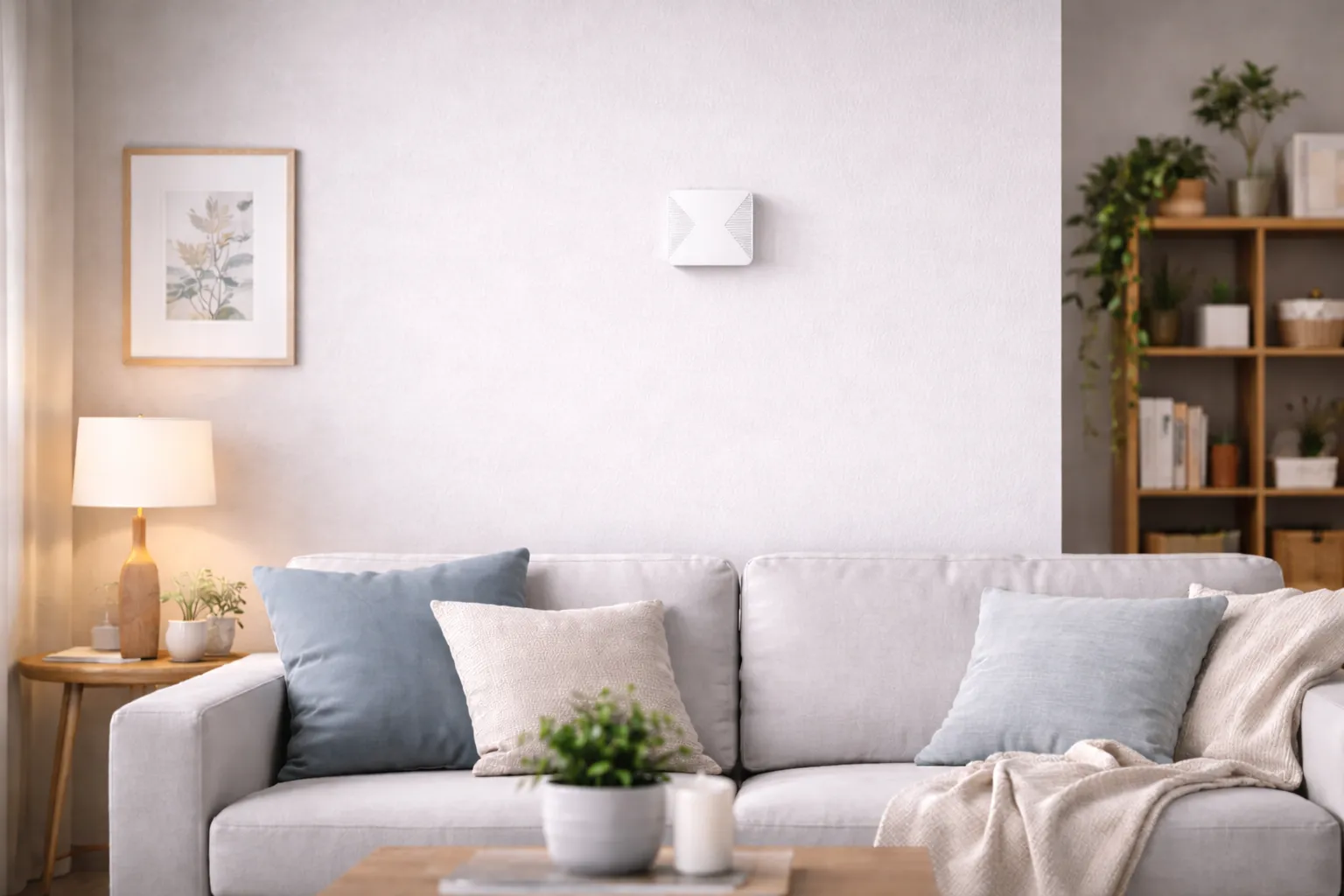
Fall Detection Radar

Fall Detection Radar

60 GHz mmWave. Detects falls, presence, bed exits. Plugs into outlet.
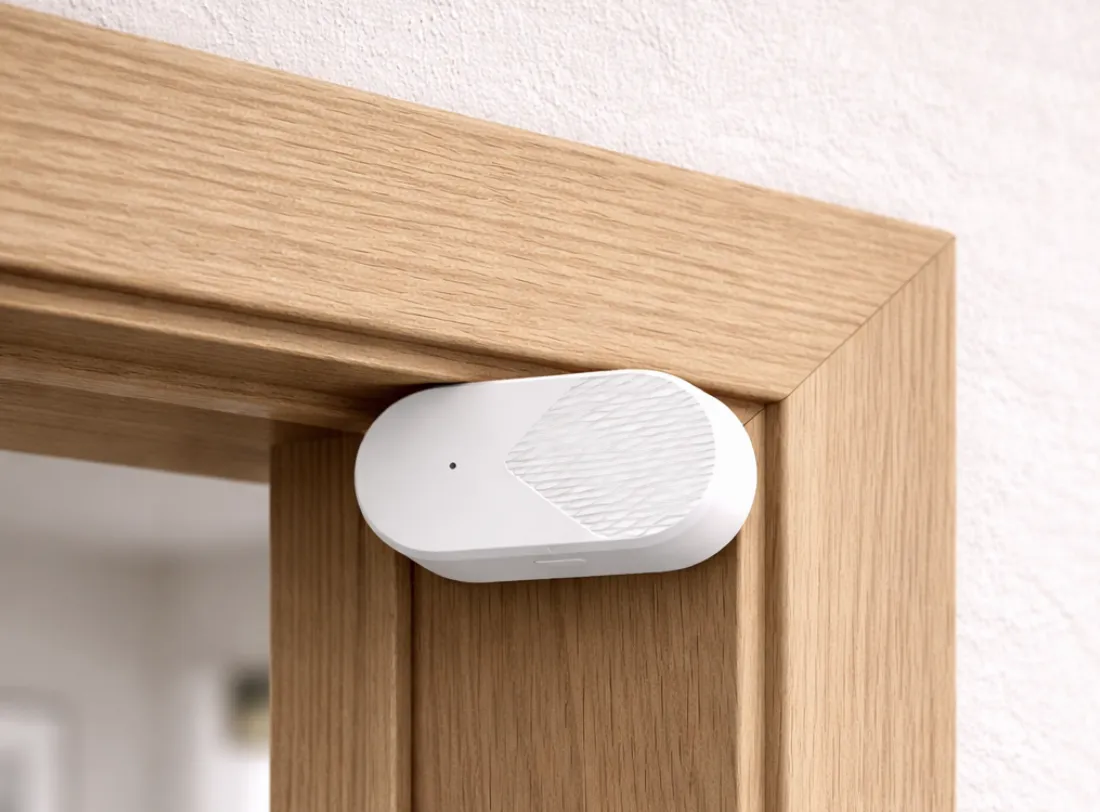
Motion Sensor

Motion Sensor

Learns routines, flags inactivity. Battery-powered.
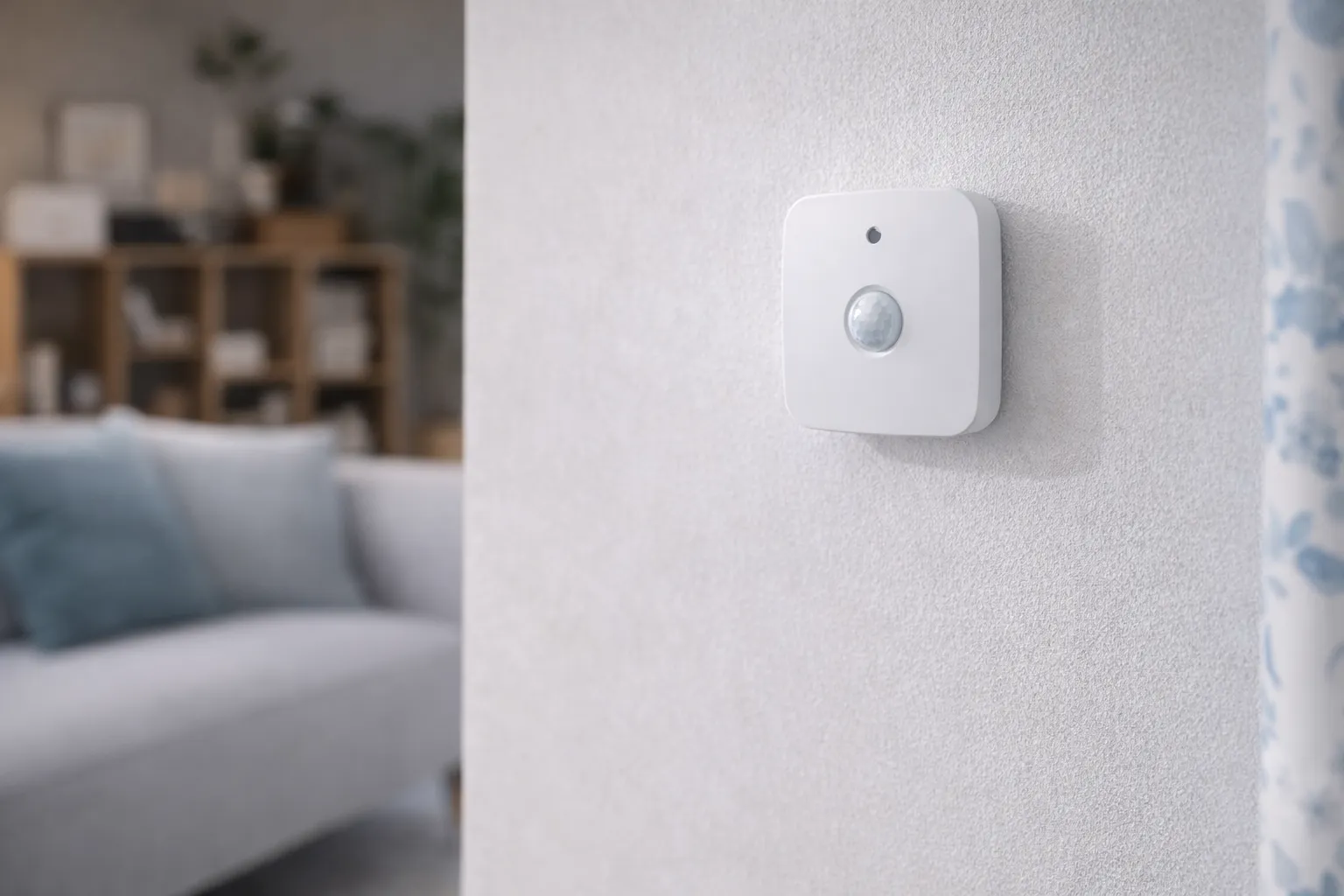
Environment Sensor

Environment Sensor

Temperature, humidity, light. Alerts if out of range.
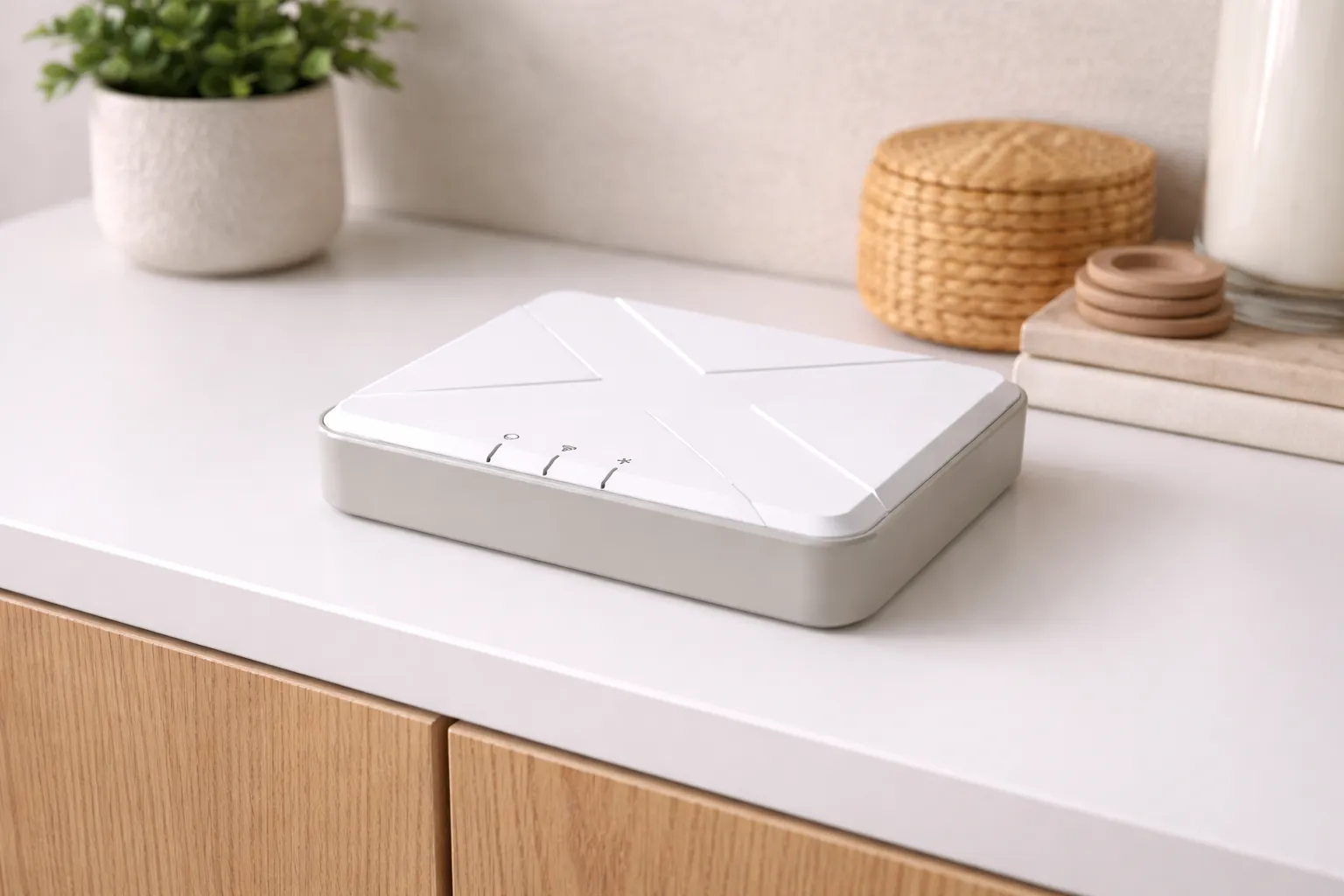
Central Hub

Central Hub

One per home. Connects sensors to cloud via WiFi.

All devices CE-certified. ZigBee 3.0 (2.4 GHz, low power). No interference with WiFi or medical equipment.
Platform

Two Interfaces, One System

Dashboard for your coordinators. Family app for patients' families. Same data, different views.

Care Team Dashboard

  • All patients on one screen with live status
  • Alert history and response time tracking
  • Device health and battery monitoring
  • Configurable rules and alert routing

Family Mobile App

  • Live status — home, resting, or active
  • Push notifications for critical alerts
  • Daily activity summary and trends
  • Room temperature and conditions
Getting Started

How a Pilot Would Work

A focused 2-month test with 10-20 patients. Clear data, validated model, then scale.

1

~30 minutes

Scoping Call

Select 10-20 patients. Agree on success criteria. Define alert routing and primary responders.

2

2 months

Pilot Deployment

Your team installs sensor kits (~30 min each). Caregivers and nurses get training. Dedicated support throughout.

3

1 week

Evaluation & Rollout Plan

Measure results vs. success criteria. Written report. If justified — plan national rollout.

Next Step

Let's Define a Pilot Together

We'll send a follow-up with pilot scope, timeline, and investment based on today's conversation.

OdeCare is a CE-marked safety monitoring system, not a medical device. ~95% fall detection accuracy in internal testing. Works best as an additional safety layer alongside existing care protocols. © 2026 OdeCare

1 / 9