Choosing by what you're escaping
Life Alert alternatives: first name the problem, then pick the fix
"I've fallen and I can't get up" built the category — but families searching for alternatives are usually escaping one of three specific things. The right replacement depends entirely on which one is yours. (Full disclosure: we make one of the options below. The comparison is honest anyway.)
The three complaints
Why families leave
Monthly costs commonly reported around $50–90 add up to $600–1,000+ a year, every year, with equipment that hasn't changed much in a decade.
Long-term agreements and cancellation stories are the single most repeated complaint in reviews. Month-to-month should be the default in 2026.
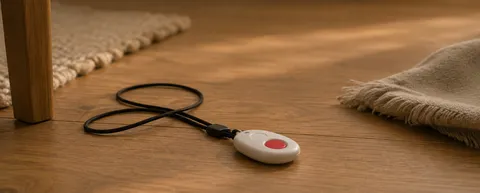
The quiet one nobody advertises: many parents won't wear the pendant — or wear it and don't press it when it matters. No brand of button fixes that.
The alternatives
Four real options, matched to your complaint
Modern pendant services (Medical Guardian, Bay Alarm Medical & similar)
~$25–45/mo · month-to-monthSame concept as Life Alert — a worn button connected to a monitoring centre — with newer hardware, no long contracts, and lower prices. Fall-detection pendants usually cost ~$10/mo extra.
Fixes: price and contract. Doesn't fix: the wearing-and-pressing problem.
Fall-detection smartwatch (Apple Watch, Samsung)
$250–800 + phone planNo stigma, no dedicated monthly fee, calls emergency services by itself. The catch: daily charging and daily wearing, and soft falls often don't trigger. Our honest breakdown: Apple Watch for seniors.
Fixes: price, contract, stigma. Doesn't fix: wear-and-charge dependence.
Home sensor system (OdeCare — that's us)
$590–790 once · 3 months incl. · then $29/moA different mechanism entirely: radar and motion sensors in the home detect fall-like events and routine changes — nothing worn, nothing pressed, no cameras. Alerts go to family phones, not a call centre. Covers night and bathroom, where pendants and watches usually aren't.
Fixes: the button problem, the contract (cancel anytime), long-run cost. Doesn't fix: protection outside the home.
Do-nothing-plus-phone ("she has her cell")
$0Listed because it's the real competitor. The phone is on the counter, the fall is in the bathroom, and the median wait becomes hours. In the NEJM study of older adults living alone, lying unhelped for an hour or more sharply raised the odds of lasting decline. $0 is the most expensive plan on this page.
Fixes: nothing. It just feels fixed until it isn't.
Before you sign anything
The five-point contract check
- Contract length. Month-to-month or walk away. Ask specifically what happens if your parent moves to assisted living or passes away.
- Real monthly price. The advertised number is often a promo. Ask for the price in month 13.
- Equipment fees. Activation, "free" equipment that must be returned, restocking fees — get the full list in writing.
- Fall detection surcharge. Usually +$10/mo on pendants. If it's the reason you're buying, price it in from the start.
- Who gets the alert. Call centre (they dispatch, family finds out later) vs family-first (you know in minutes). Neither is wrong — but know which you're buying.
If the button is the problem
OdeCare: the alternative with nothing to wear
If your parent already refuses the pendant, a nicer pendant won't help. OdeCare monitors the home itself — falls, nights, bathroom stays, routine changes — with no camera and nothing on the wrist. Your family knows in minutes, in plain words.
Questions families ask
Life Alert alternatives: FAQ
Why do people look for Life Alert alternatives?
Three repeated reasons: monthly prices commonly reported around $50–90, long contracts with painful cancellation, and the pendant problem — parents not wearing or not pressing the button. The first two have easy fixes; the third requires a different mechanism entirely.
What is the best alternative?
Escaping price/contract → modern month-to-month pendant services. Escaping the button itself → a home sensor system like OdeCare, which monitors with nothing worn. Active parent who loves gadgets → a fall-detection watch as the outdoor layer.
Are there alternatives with no monthly fee?
A smartwatch calling 911 is the closest true no-fee option — worn-and-charged only. Every monitored service charges something; the honest play is a low fee that buys family-first alerting, not zero.
Does Medicare cover these systems?
Original Medicare generally doesn't. Some Medicare Advantage plans offer safety-device allowances, and some state Medicaid waivers cover emergency response services — verify with the specific plan.
What should I check before signing a contract?
Contract length and cancellation (in writing), real post-promo price, equipment fees, fall-detection surcharge, and who receives the alert — call centre or family.
Keep reading